Singapore's most trusted aircon team — fast, affordable, and available around the clock. One call is all it takes.


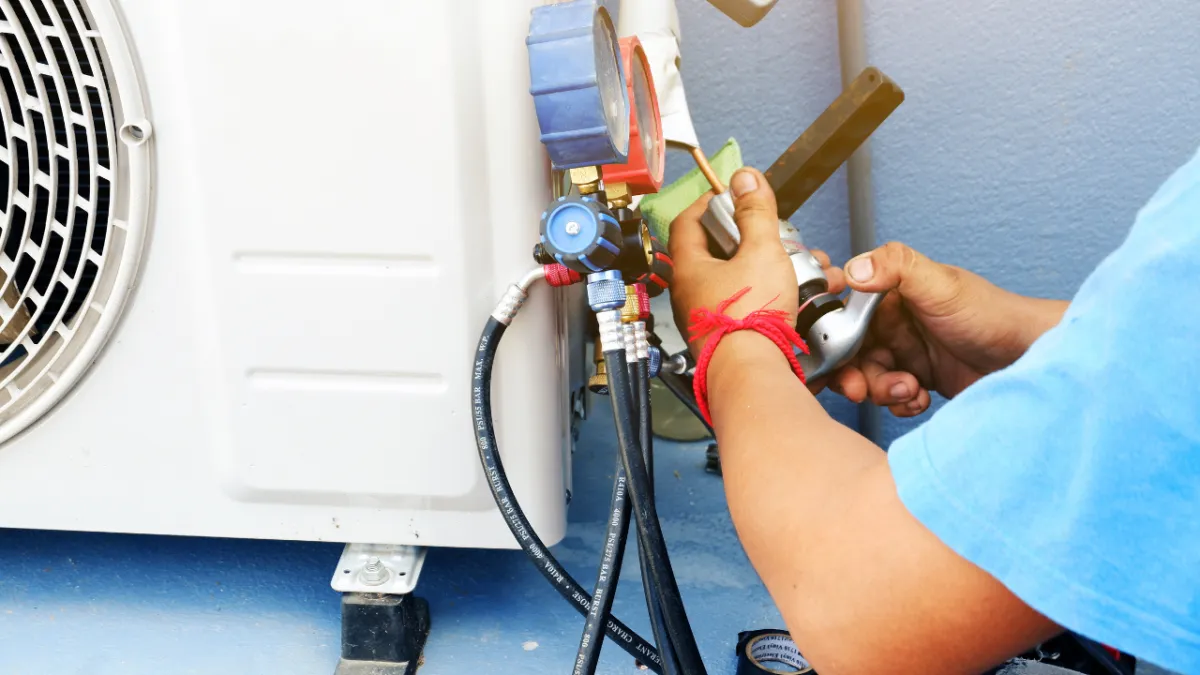
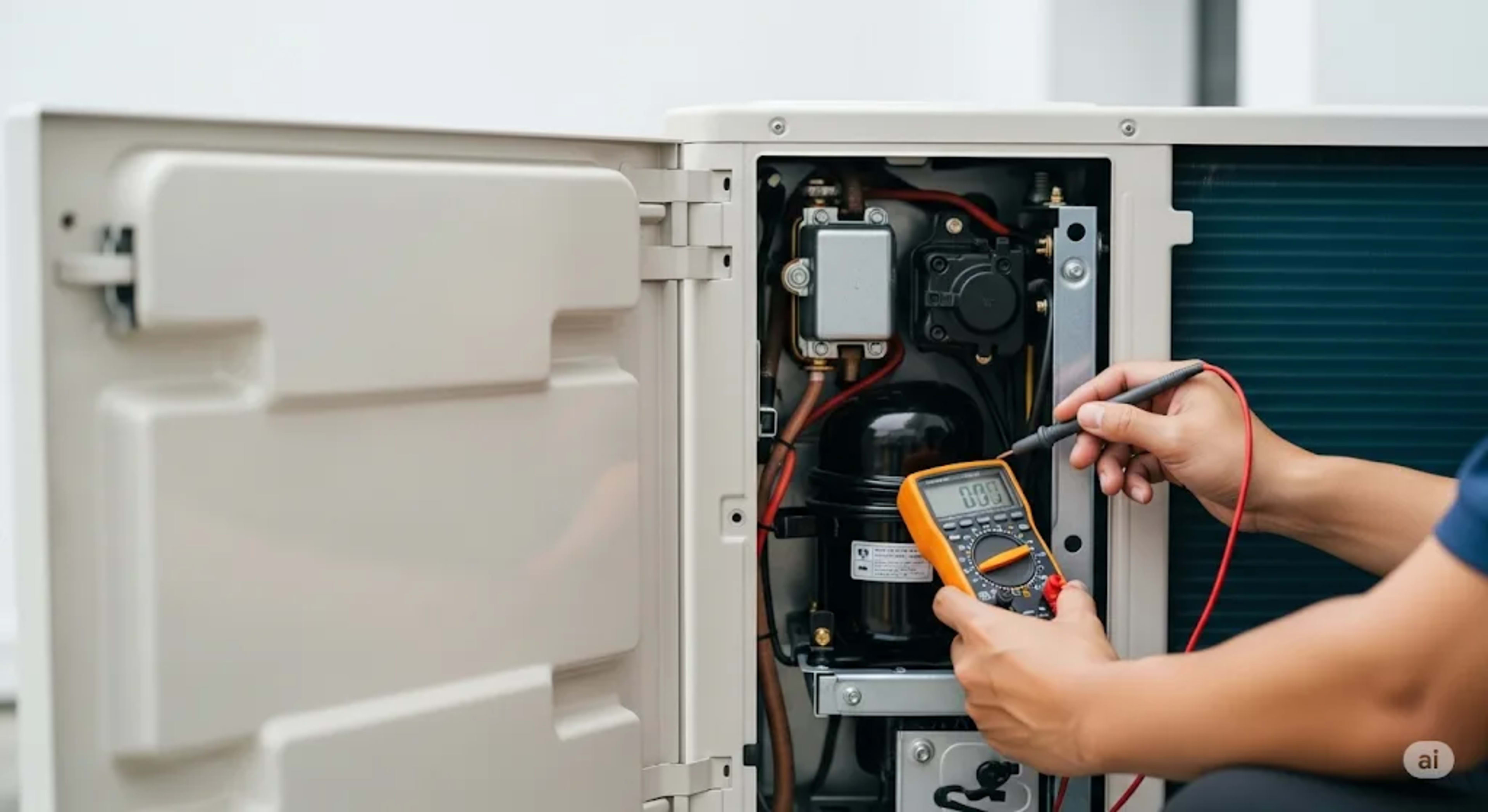
The most common reasons are electrical issues, dirty or blocked components, low refrigerant (gas), overheating, or lack of regular servicing. Because our aircons run long hours in a hot, humid climate, the compressor—the "heart" of the system—takes the most stress. I've seen this happen countless times in HDB flats, condos, and landed homes. The indoor unit is running, the fan is blowing… but the outdoor unit is silent. No cooling. That's usually a compressor-related issue. ## What does an aircon compressor do (and why it's so important)? Think of the compressor as the engine of your aircon. Its job is to: - Compress refrigerant (cooling gas) - Pump it through the system - Move heat from inside your home to the outside Here's the simple cycle: 1. Refrigerant absorbs heat indoors (evaporator) 2. Compressor squeezes and pushes the gas 3. Heat is released outdoors (condenser) 4. Refrigerant cools and repeats the cycle If the compressor stops working, cooling stops completely—even if the indoor fan is still running. ## Why aircon compressor problems are common in Singapore Singapore conditions are tough on compressors: - Aircons run 8–12 hours daily - High humidity causes faster dirt buildup - Outdoor units in condos often have poor ventilation - Many systems miss regular servicing - Power trips after storms or renovations That's why compressor issues are among the most expensive but also most preventable aircon problems here. ## Top reasons why your aircon compressor is not working Let's go through the most common causes I see locally. ## 1. No power to the compressor (very common) Before assuming the compressor is "dead," always check power. Possible causes: - Tripped circuit breaker - Blown fuse - Outdoor isolator switch turned off - Loose wiring after renovation What you can check safely: - Go to your electrical panel and reset the AC breaker - Check the outdoor isolator switch - Look for obvious signs of power loss If the breaker keeps tripping, stop there—this points to an electrical fault. ## 2. Faulty capacitor (extremely common in Singapore) Capacitors help start and run the compressor. In Singapore's heat, they wear out fast. Signs of a bad capacitor: - Outdoor unit makes a buzzing sound - Fan tries to start but fails - Compressor doesn't kick in ⚠️ Capacitors store high voltage. Do not attempt DIY replacement. This is a quick and affordable fix when done early by a technician. ## 3. Dirty condenser coils Your outdoor unit releases heat through condenser coils. When these coils are clogged with: - Dust - Grease - Construction debris - Leaves (especially in condo ledges) The compressor overheats and shuts down to protect itself. Symptoms: - Weak cooling - Compressor stops intermittently - System trips after running for a while **Solution:** Professional chemical wash or condenser cleaning. ## 4. Low refrigerant (gas leak) Low gas is one of the biggest reasons compressors fail permanently. In Singapore, leaks often happen due to: - Aging copper pipes - Poor flare joints - Corrosion from humidity When refrigerant is low: - Compressor works harder - Overheats - Eventually burns out Warning signs: - Aircon runs but doesn't cool - Ice forms on pipes or coils - Compressor keeps turning on and off ⚠️ Refrigerant work must be done by licensed professionals in Singapore. ## 5. Compressor overheating If your compressor overheats repeatedly, it will shut down—or fail completely. Common causes: - Dirty condenser - Poor ventilation - High outdoor temperatures - Running aircon at 18–20°C for long hours **Singapore tip:** Set your aircon at 24–26°C. Lower settings don't cool faster—they just strain the compressor. ## 6. Electrical or control board issues Modern aircons rely heavily on electronics. Possible problems: - Faulty contactor - Burnt wiring - Control board failure - Communication error between indoor & outdoor units Signs include: - Clicking sounds - Compressor not responding - Blinking error lights These issues require proper diagnostic tools. ## 7. Too much or too little refrigerant Surprisingly, overcharging gas is just as bad as low gas. Incorrect refrigerant levels can cause: - High pressure - Compressor damage - Short cycling This often happens when gas is topped up without proper measurements. ## 8. Old or worn-out compressor Compressors don't last forever. In Singapore: - Average lifespan: 10–15 years - Shorter if maintenance is poor If the compressor motor windings fail, replacement is often the only option—and sometimes replacing the entire system makes more sense. ## Warning signs before a compressor stops working Most compressors give warnings before failing completely: - Aircon blows warm air - Outdoor unit is silent - Circuit breaker trips frequently - Loud knocking, buzzing, or rattling sounds - Unit shakes when starting - Cooling becomes inconsistent Catching these early can save you thousands. ## What you can check before calling a technician You can safely do these quick checks: - Reset the circuit breaker - Check thermostat settings and batteries - Make sure outdoor unit is powered - Clean air filters - Listen for buzzing or clicking sounds If the compressor still doesn't run—stop troubleshooting. ## When should you call an aircon technician in Singapore? Call a professional immediately if: - Compressor is not turning on at all - Breaker keeps tripping - You hear loud or unusual noises - Ice forms on pipes or coils - Cooling is very weak - Error lights indicate outdoor unit faults Running a faulty compressor can cause irreversible damage. ## How to prevent compressor failure in Singapore Here's what I recommend for local conditions: - Clean filters: Every 2–3 weeks - Professional servicing: Every 3–4 months - Chemical wash: Once a year (or as needed) - Proper temperature: 24–26°C - Keep outdoor unit clear: Especially condo ledges - Fix small issues early Preventive maintenance is far cheaper than compressor replacement. ## Conclusion: Why is my aircon compressor not working? In Singapore, it's usually due to power issues, dirty components, gas leaks, overheating, or skipped maintenance—not sudden failure. The compressor is the most expensive part of your aircon, but it's also the most protectable. Act early, service regularly, and don't ignore warning signs.

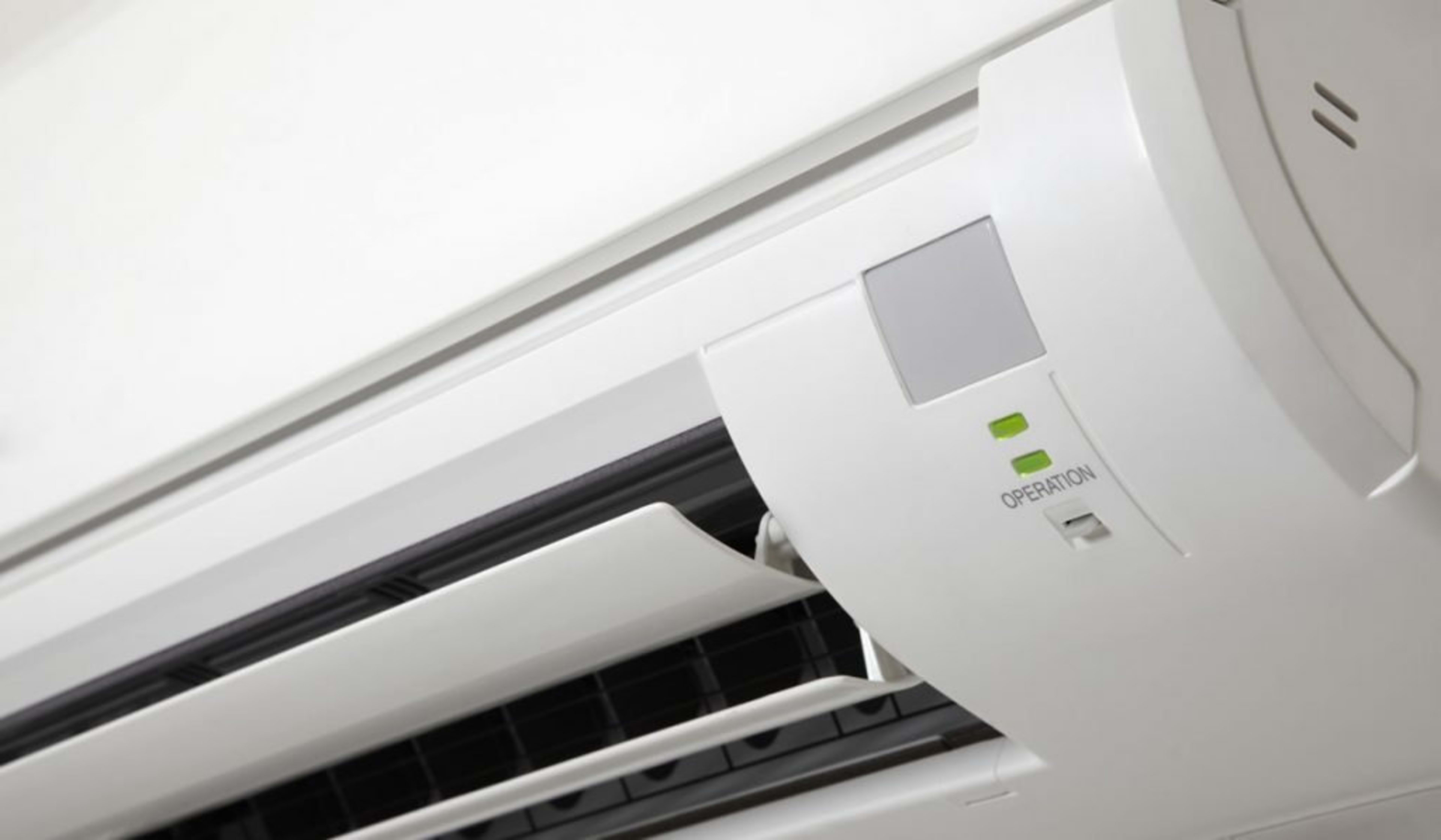
In Singapore, a blinking aircon light usually means your unit has detected a problem caused by heavy daily usage, high humidity, or lack of regular servicing. It's your aircon's built-in warning system telling you something needs attention—before it becomes a bigger (and more expensive) issue. After years of servicing air conditioners in HDB flats, condos, and landed homes across Singapore, I can confidently say this: most blinking light issues here are preventable and often fixable without major repairs—if you act early. In this guide, I'll explain: - What a blinking aircon light really means in Singapore - The most common local causes - What you can safely check yourself - When it's time to call a professional aircon technician ## Why blinking aircon lights are common in Singapore Singapore's environment puts extra stress on air conditioners: - Aircon runs 8–12 hours daily in many homes - High humidity causes faster dirt buildup and drainage issues - HDB and condo units often have limited airflow around compressors - Missed servicing leads to sensor and safety shutdowns That's why blinking lights are one of the top aircon complaints in Singapore households. ## Most common reasons why your aircon light is blinking (Singapore context) Let's go through the real causes I see almost every week. ## 1. Dirty air filter (the #1 cause in Singapore) If you're wondering "Why is my aircon blinking light?"—start here. In Singapore, air filters clog very quickly due to: - Constant usage - Fine dust - Humidity causing dirt to stick faster When airflow is restricted: - The evaporator coil doesn't get enough air - The system overheats or freezes - The aircon triggers a blinking warning light **What you should do:** - Open the indoor unit panel - Remove the air filter - Wash with water (use mild soap if very dirty) - Dry completely before reinstalling 🛠 **Singapore tip:** Clean your filter every 2–3 weeks, not monthly. This alone prevents many blinking light issues. ## 2. Drainage problem (very common in HDB & condos) In Singapore's humid climate, aircons produce a lot of condensation. When the drain pipe gets clogged: - Water backs up - A safety float switch is activated - The aircon light starts blinking to prevent leakage Signs to watch for: - Water dripping from the indoor unit - Musty smell - Blinking light with weak or no cooling **What you can try:** - Check if water is flowing from the drain pipe - Flush the pipe with water - Use a wet/dry vacuum if available If the blockage keeps returning, chemical wash or servicing is needed. ## 3. Frozen evaporator coil Yes—aircons can freeze even in Singapore. This usually happens due to: - Dirty filters - Poor airflow - Low refrigerant (gas) - Running the aircon too cold (e.g. 18–20°C for long hours) When ice forms, the system shuts down and the light blinks. **What to do:** - Turn off the aircon - Let the ice melt fully (may take up to 24 hours) - Clean the filter - Restart after everything is dry If freezing happens again, call a technician. ## 4. Low refrigerant (gas leak) A gas leak is a serious but common reason for blinking lights in older systems. In Singapore, this often happens due to: - Aging copper piping - Poor installation - Corrosion from humidity **Warning:** Never attempt to top up gas yourself. Refrigerant handling requires licensed technicians in Singapore. Symptoms include: - Blinking light - Weak cooling - Longer running time - Ice buildup Professional leak testing and repair are required. ## 5. Sensor or thermistor issues Aircons use temperature sensors to regulate cooling. If the sensor: - Shifts out of place - Gets dirty - Malfunctions The system may blink continuously. This is common in older Daikin, Panasonic, and Mitsubishi units after years of use. **Fix:** Sensor adjustment or replacement—quick job during servicing. ## 6. Electrical or power-related issues Singapore has a stable power grid, but blinking lights can still occur after: - Power trips - Renovation works - Lightning storms - Faulty capacitors **Quick reset method:** - Turn off the aircon - Switch off the isolator - Wait 30 seconds - Turn it back on If blinking continues, stop resetting and call a professional to avoid electrical damage. ## What do blinking patterns mean? (Error codes in Singapore brands) Most aircon brands used in Singapore show error codes via blinking lights. General guide: - **1 blink:** Sensor issue - **2 blinks:** Indoor fan motor problem - **3 blinks:** Communication error (indoor ↔ outdoor) - **4 blinks:** Compressor protection activated - **5+ blinks:** Serious fault—professional diagnosis needed 📘 Always refer to your brand manual for Daikin, Mitsubishi Electric, Panasonic, LG, or Fujitsu. Each brand uses different codes. ## When should you call an aircon technician in Singapore? Call a professional immediately if: - Blinking continues after cleaning filters - There is repeated freezing - Water leakage occurs - Cooling is weak or uneven - The unit makes loud or unusual noises - Error codes indicate compressor or electrical faults Delaying repairs often leads to higher servicing costs later. ## How to prevent blinking aircon lights in Singapore homes Here's what I recommend for Singapore conditions: - Clean filters: Every 2–3 weeks - Regular servicing: Every 3–4 months - Set temperature wisely: 24–26°C - Chemical wash: Once a year (or as needed) - Keep outdoor unit clear: Especially in condo ledges - Don't ignore small warnings Prevention is always cheaper than repair.

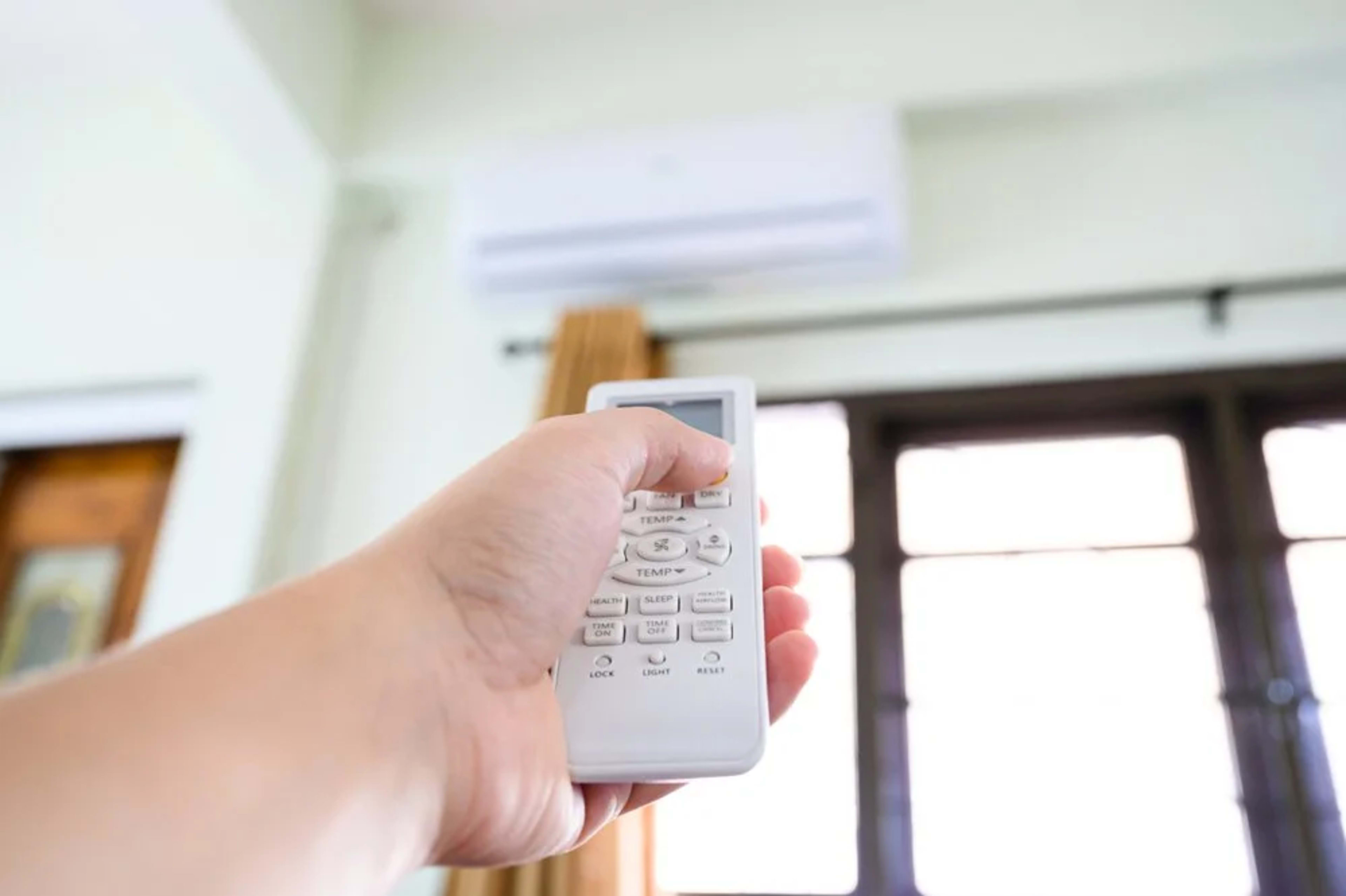
Start simple. Check the basics. And if it still won't cooperate, calling a professional isn't a failure—it's the smart move. In most cases, it's not a catastrophic failure. It's usually something simple—like a thermostat setting, a tripped circuit breaker, a clogged air filter, or a safety switch doing its job to protect your system. I've seen this exact situation play out hundreds of times. One hot day, you hit the remote or thermostat… nothing happens. Panic kicks in. You start thinking about expensive repairs or replacing the whole unit. ## How your aircon actually works (and why this matters when it won't turn on) Before troubleshooting, it helps to understand the basics. An air conditioner has three main parts: - **Compressor** – compresses refrigerant and moves heat out - **Condenser** – releases heat outside your home - **Evaporator** – absorbs heat from indoor air Here's the simple version: Your aircon moves heat from inside your home to the outside. If any one part doesn't get power, airflow, or proper signals, the entire system may refuse to start. That's why a small issue can shut everything down—often by design. ## Why won't my aircon turn on? The most common causes Let's get straight to the real reasons this happens. I'll also tell you what you can safely check yourself. ## 1. Thermostat problems (the #1 culprit) When people ask me, "Why won't my aircon turn on?" my first question is always about the thermostat. Common thermostat issues: - Set to OFF instead of COOL - Temperature set higher than room temperature - Dead batteries - Software glitches or calibration issues **What to do right now:** - Set the mode to COOL - Set the temperature at least 5°C lower than the room - Replace the batteries - Try resetting the thermostat if possible 💡 **True story:** I've been called out for "dead aircons" that magically worked again after a battery change. ## 2. Tripped circuit breaker or power issue Another very common answer to why won't my aircon turn on? is power interruption. Your aircon uses a lot of electricity. Power surges, storms, or running multiple appliances can trip the breaker. **Check this:** - Go to your electrical panel - Look for a breaker that's not fully ON - Flip it OFF, then back ON If it trips again immediately, stop there—that's a sign of a deeper electrical issue. ## 3. Dirty or clogged air filter This one surprises a lot of homeowners. A severely clogged air filter can: - Block airflow - Cause overheating - Trigger safety shutoffs - Even freeze internal components In extreme cases, your aircon won't turn on at all to protect itself. **Fix:** - Remove the air filter - If it's dusty or dark grey, replace it - Aim to change filters every 2–3 months This is one of the cheapest fixes with the biggest impact. ## 4. Emergency shut-off switch is OFF Most people don't even know this exists. Many systems have an emergency shut-off switch near: - The outdoor unit - The air handler - A metal box mounted on the wall If someone recently serviced your unit—or bumped it accidentally—the switch may be OFF. Flip it back ON and test the system. ## 5. Indoor unit power switch turned off Some air handlers have a power switch that looks just like a normal light switch. I've seen this turned off accidentally during: - Cleaning - Storage access - Renovation work Check near the air handler closet, attic, or crawl space. ## 6. Outdoor condenser issues If your aircon won't turn on, the outdoor unit might be the problem. Possible issues include: - Unit unplugged - Debris blocking airflow - Wires damaged by pests - Safety sensors triggered **Quick check:** - Make sure it's plugged in - Clear leaves, dirt, or boxes around it - Look for visible damage (don't touch wiring) ## 7. Clogged drain line or full drain pan Air conditioners create condensation. If that water can't drain properly, a float safety switch shuts the system down. Signs: - Water around the unit - Musty smells - AC suddenly stops working **What you can try:** - Use a wet/dry vacuum on the drain line - Clear visible blockages if accessible If unsure, this is a good moment to call a pro. ## 8. Icy buildup or frozen components If you see ice anywhere—stop trying to restart the system. Frozen coils can be caused by: - Dirty filters - Low refrigerant - Fan problems **What to do:** - Turn the system OFF - Let it thaw completely (up to 24 hours) - Call a professional for inspection Running it while frozen can cause serious damage. ## 9. Reset required Some aircon systems have a RESET button, usually on the outdoor unit. If yours doesn't: - Turn the system OFF at the thermostat - Wait 5 minutes - Turn it back ON If it works temporarily and shuts off again, something deeper is going on. ## When DIY stops and a professional should step in I'm all for simple troubleshooting—but I'm also big on safety. - The breaker keeps tripping - The unit makes loud or unusual noises - You see ice or suspect refrigerant leaks - The system turns on but doesn't cool - You're unsure or uncomfortable checking components Sometimes, not forcing a fix saves you thousands later. ## Quick FAQ: Why won't my aircon turn on? **Can a dirty air filter really stop my aircon from turning on?** Yes. In severe cases, clogged filters cause overheating or freezing, triggering system shutdowns. **Is it safe for me to troubleshoot my AC?** Basic checks—thermostat, filter, breaker—are safe. Electrical, refrigerant, or internal issues should always be left to professionals. **How long does an air conditioner usually last?** On average: 10–15 years, sometimes up to 20 years with good maintenance. Lifespan depends on usage, climate, installation quality, and regular servicing. ## Final thoughts So, why won't my aircon turn on? Most of the time, it's not a disaster—it's your system asking for attention. A setting, a safety switch, a dirty filter, or a power issue is often the real culprit.

Ice buildup on an air conditioning unit is more than just an inconvenience—it can lead to poor cooling performance, airflow restrictions, and expensive repairs if left unresolved. This issue can happen to any aircon brand and at any time of year, even during peak summer. When freezing occurs, the evaporator coil and compressor are put under stress, increasing the risk of long-term damage. Taking early action is essential to protect your air conditioning system and maintain efficient cooling. ## Signs Your Air Conditioner Is Freezing Up Hot weather places extra strain on air conditioners. If evaporator coils become excessively cold, ice can begin to form. Look out for these common warning signs: - Weak or reduced airflow from vents - Visible ice on refrigerant lines or the indoor/outdoor unit - The system runs continuously but cools poorly - Water pooling or leaking near the indoor unit - Strange or unusual noises from the system If any of these symptoms appear, your aircon may already be freezing internally. ## Common Causes of Aircon Freezing Issues Freezing occurs when the evaporator coil temperature drops below normal operating levels, allowing moisture in the air to turn into ice. Several factors can disrupt this balance. ## Low Refrigerant Levels Air conditioners require a precise amount of refrigerant to operate efficiently. When refrigerant levels drop—usually due to leaks—the pressure inside the system changes, causing the evaporator coil to become excessively cold and freeze. Frozen coils linked to low refrigerant should be handled immediately by trained technicians. Leaving this unresolved can damage the compressor and reduce energy efficiency. ## Dirty Air Filters Restricted airflow is one of the leading contributors to aircon freezing. Dirty or clogged air filters block the steady flow of warm air over the coils, allowing moisture to freeze instead of evaporate. **Prevention tip:** Replace or clean air filters every 2–3 months, or more often in dusty or high-usage environments. ## Blocked or Closed Air Vents Dust, pet hair, lint, or furniture blocking vents can overload the system and reduce airflow. When warm air can't circulate properly, the evaporator coil temperature drops too low, leading to ice buildup. Regularly vacuum vents and ensure they remain fully open. ## Faulty Blower Fan The blower fan moves cooled air through the ductwork and pulls warm air across the evaporator coil. If the fan is damaged, running at low speed, or not working at all, airflow becomes insufficient. Signs of blower fan issues include: - Weak airflow - Continuous humming sounds - Difficulty starting the system - Reduced heat release from the outdoor unit Fan repairs or replacements should be handled by professionals. ## Thermostat or Fan Setting Problems Setting the temperature too low or keeping the fan speed on low during extremely hot days can strain the system. This limits airflow and increases the chance of freezing. Adjusting fan speed and setting realistic temperature levels helps maintain proper heat transfer. ## Drainage Line Blockages The condensate drain line removes moisture created during the cooling process. If clogged with dirt, mold, or debris, water can back up and interfere with normal system operation—eventually contributing to frozen coils. Annual drain line inspections and cleaning are strongly recommended. ## Outdoor Temperatures Below Operating Range Air conditioners are designed to operate within specific temperature limits. On cooler nights, especially during rainy or windy weather, the refrigerant can become too cold, causing moisture to freeze before proper circulation occurs. ## What to Do If Your Aircon Freezes Up If you notice ice buildup, take the following steps immediately: - Turn off the air conditioner to allow the ice to melt - Replace or clean dirty air filters - Open and clear all vents - Inspect evaporator coils if accessible - Check thermostat and fan settings - Clear any visible drain line blockages - Contact a professional if freezing continues Running a frozen unit can worsen the damage and increase repair costs. ## How to Prevent Aircon Freezing in the Future Early detection and routine care can help you avoid freezing problems altogether: - Clean or replace air filters regularly - Schedule annual or biannual professional servicing - Keep vents unobstructed - Monitor refrigerant levels - Set thermostat temperatures appropriately - Clean evaporator coils periodically - Keep the outdoor unit clear of dirt and debris ## Final Thoughts An air conditioner that freezes up is a clear sign that something isn't functioning as it should. Whether it's restricted airflow, low refrigerant, or maintenance neglect, addressing the issue early can prevent major breakdowns and costly repairs.

You switch on your air conditioner expecting a strong blast of cool air—but instead, the airflow feels weak and underwhelming. If you've been asking yourself, "Why is my aircon not blowing strong air?", you're definitely not alone. Weak airflow is one of the most common aircon complaints, especially in hot and humid climates like Singapore. While it may seem like a small issue at first, poor airflow often points to underlying problems that can reduce cooling efficiency, increase electricity bills, and shorten your aircon's lifespan. Let's break down what weak airflow really means, the most common reasons behind it, and what you can do to fix it. ## What Does Weak Airflow From an Aircon Mean? Weak airflow occurs when your air conditioner is running, but the air coming out feels slow, light, or uneven. You may notice: - Air coming out weaker than usual - Certain areas of the room staying warm - The aircon running longer but cooling less - Higher electricity bills with no improvement in comfort - Uneven temperatures across rooms - The unit working harder just to maintain the set temperature If these signs sound familiar, it's time to look deeper. ## Top Reasons Your Aircon Is Not Blowing Strong Air ## 1. Dirty or Clogged Air Filters Air filters trap dust and particles to keep your indoor air clean. Over time, these filters get clogged—especially in humid environments—restricting airflow and forcing the system to work harder. **What to do:** - Check filters monthly - Clean or replace them every 2–3 months (or more often with daily use) This is the easiest and most effective fix for weak airflow. ## 2. Blocked Air Vents or Registers Furniture, curtains, or dust buildup can block vents and reduce how much air enters the room. This is very common in smaller apartments. **What to do:** - Keep vents fully open - Remove furniture or objects blocking airflow - Clean vents regularly ## 3. Frozen Evaporator Coils Restricted airflow or low refrigerant can cause moisture on the coils to freeze. Once frozen, airflow drops dramatically. **What to do:** - Turn off the aircon immediately - Allow the ice to melt - Call a technician for inspection Ignoring frozen coils can lead to serious system damage. ## 4. Faulty Blower Fan The blower fan pushes cooled air into your room. If it's damaged, slow, or malfunctioning, airflow becomes weak. **What to do:** - This requires professional inspection - Fan repair or replacement may be needed ## 5. Low Refrigerant Levels Refrigerant helps absorb heat and cool the air. If levels drop due to a leak, airflow and cooling performance both suffer. **What to do:** - Contact a certified aircon technician - Leak detection and gas top-up must be handled professionally ## 6. Leaky or Damaged Air Ducts (Ducted Systems) For ducted or cassette systems, air may escape through cracks or poorly insulated ducts before reaching the room. **What to do:** - Have ducts inspected and sealed - Proper insulation restores airflow efficiency ## 7. Thermostat or Sensor Problems A faulty thermostat or sensor may limit airflow even when the room isn't cool enough. **What to do:** - Check settings and replace batteries - If the issue continues, request a diagnostic check ## 8. Wrong AC Size for the Room An undersized unit struggles to cool large spaces, while an oversized unit may short-cycle, reducing airflow efficiency over time. **What to do:** - Have a technician assess room size and BTU requirements - Upgrade or adjust system if needed ## 9. Lack of Regular Servicing Dust buildup on internal components like coils and fans reduces airflow and efficiency over time. **What to do:** - Schedule professional servicing every 3–6 months - Regular maintenance keeps airflow strong and consistent ## DIY Fix or Call a Technician? **You can try yourself:** - Cleaning air filters - Unblocking vents - Checking thermostat settings **Call a technician if:** - Coils are frozen - Refrigerant is low - Blower fan isn't working - Ducts are leaking - Airflow doesn't improve after basic checks ## How to Prevent Weak Airflow in the Future Simple habits can save you money and prevent breakdowns: - Clean filters every 1–2 months - Service your aircon every 3–6 months - Choose the right AC size for your room - Avoid blocking vents - Use fan mode occasionally - Schedule yearly professional inspections - Keep indoor and outdoor units clean ## Why Weak Airflow Should Never Be Ignored Leaving airflow issues unresolved can lead to: - Higher electricity bills - Reduced cooling performance - Coil freezing and water leaks - Poor indoor air quality - Mold growth in humid spaces - Compressor damage - Shortened AC lifespan - Sudden breakdowns during peak heat ## Frequently Asked Questions **Can a dirty filter really cause weak airflow?** Yes. It's one of the most common causes and the easiest to fix. **Why is my split aircon airflow weak?** Dirty filters, frozen coils, or a failing fan motor are common reasons. **How often should aircon be serviced in Singapore?** Every 3–4 months due to humidity and frequent use. **Is weak airflow expensive to fix?** Costs vary—from free (cleaning filters) to a few hundred dollars for parts or repairs. Always get a diagnosis first.

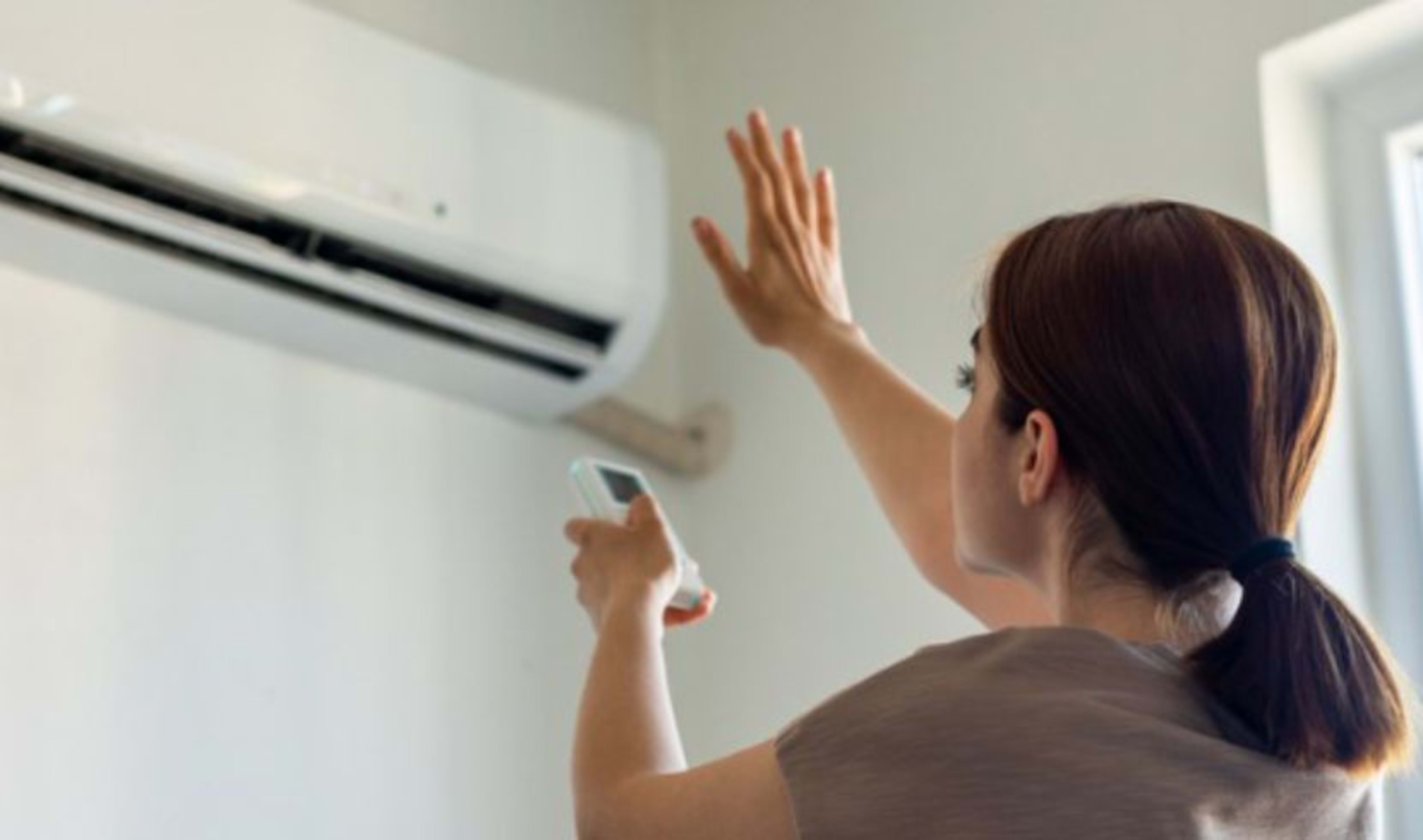
Nothing kills comfort faster than switching on your air conditioner and feeling warm air blow out—especially when the heat outside is relentless. If your cooling system isn't delivering that crisp, cold air you expect, something inside the system isn't working as it should. When people ask, "Why is my aircon blowing warm air?", the answer usually comes down to airflow problems, refrigerant issues, control settings, or aging components. In this guide, I'll walk you through the most common causes, explain how each one affects cooling, and share practical steps you can take to restore proper performance. Stick with me—you'll know exactly what to check by the end. ## Aircon Blowing Warm Air: The Most Common Causes ## 1. Dirty or Blocked Air Filters Let's start with the simplest (and most overlooked) issue. Air filters trap dust, dirt, and airborne particles. Over time, they get clogged. When that happens, airflow drops, and the system can't cool air effectively. The result? Your aircon runs, but warm air comes out. **What to do:** - Clean or replace filters every 1–3 months - Check them more often if you have pets or live in a dusty area This small habit alone can prevent a huge percentage of cooling problems. ## 2. Refrigerant Levels Are Too Low Refrigerant is the lifeblood of your air conditioner. It absorbs heat indoors and releases it outside. If levels drop, the system simply can't cool the air. Low refrigerant usually means there's a leak—not that the gas has "run out." **What to do:** - Call a licensed technician to inspect for leaks - Have the system properly repaired and recharged Handling refrigerant yourself isn't safe and should always be left to professionals. ## 3. Thermostat Issues or Incorrect Signals Sometimes the aircon is fine—but the thermostat isn't. If the thermostat sends the wrong signal, the system may blow air without cooling it. This can happen due to faulty wiring, dead batteries, or incorrect calibration. **What to do:** - Make sure the thermostat is set to COOL, not FAN - Replace batteries if needed - Reset or recalibrate the unit Smart thermostats may also need software updates or reconfiguration. ## 4. Frozen Evaporator Coils It sounds strange, but ice can cause warm air. Evaporator coils absorb heat. When airflow is restricted or refrigerant is low, moisture on the coils can freeze. Once frozen, the coils can't absorb heat—so warm air circulates instead. **What to do:** - Turn off the AC and let the ice melt completely - Check air filters and vents for blockages - Call a technician if freezing happens again Ignoring frozen coils can lead to long-term damage. ## 5. Outdoor Condenser Is Blocked or Dirty Your outdoor unit needs space to release heat. If it's surrounded by leaves, dust, or debris, heat gets trapped—and cooling efficiency drops fast. **What to do:** - Clear debris around the unit - Gently clean dirt from the fins - Ensure at least 2–3 feet of clearance around the condenser Regular outdoor cleaning makes a noticeable difference in cooling performance. ## 6. Leaky or Damaged Ductwork Cool air may be produced—but never reach you. Cracks or gaps in ductwork allow cooled air to escape before it reaches your rooms. By the time air comes out of the vents, it feels warm or weak. **What to do:** - Have ducts professionally inspected - Seal leaks and repair damaged sections Well-sealed ducts improve comfort and reduce energy bills. ## 7. Electrical Component Failures Your air conditioner relies on electrical parts like capacitors, contactors, and control boards. If one of these fails, the system may run partially—fans working, but no cooling happening. **What to do:** - Avoid DIY electrical repairs - Have a licensed technician diagnose and fix the issue Electrical faults can be dangerous if handled incorrectly. ## 8. Incorrect System Settings Sometimes, the problem isn't mechanical at all. If the unit is set to fan-only mode, it will circulate air without cooling it. This often happens accidentally, especially with programmable or smart thermostats. **What to do:** - Double-check system mode - Confirm temperature settings - Review schedules on programmable thermostats A quick settings check can save you an unnecessary service call. ## 9. Aging or Inefficient Air Conditioning System Even the best systems don't last forever. As air conditioners age, efficiency drops. Components wear out, cooling capacity decreases, and warm air becomes a frequent issue—despite regular maintenance. **What to do:** - If your unit is 10–15 years old, consider replacement - New systems cool faster, use less energy, and run quieter Upgrading can be more cost-effective than repeated repairs. ## Frequently Asked Questions **Aircon blowing hot air suddenly—what's the first thing to check?** Start with the air filter and thermostat settings. These are the most common and easiest fixes. **Can low refrigerant cause warm air?** Yes. Without enough refrigerant, heat can't be removed from indoor air effectively. **Is warm air a sign the AC is failing?** Not always. Many causes are minor, but frequent issues may indicate aging equipment. **How often should maintenance be done?** At least once a year. Regular servicing prevents most cooling problems before they start.

When outdoor temperatures rise, your air conditioner needs to run smoothly to keep your space comfortable. If the system keeps turning off and on unexpectedly, it can be frustrating—and costly. This issue, often referred to as short cycling, prevents the unit from completing a full cooling cycle and usually signals an underlying problem that needs attention. Below are some of the most common reasons an air conditioner shuts down repeatedly and what can be done to address them. ## Common Reasons an Air Conditioner Turns Off Repeatedly ## 1. Compressor Performance Issues The compressor is the heart of the air conditioning system. It pressurizes the refrigerant and allows heat to be absorbed and released properly. When the compressor overheats, becomes worn, or experiences electrical faults, the system may shut down as a protective measure. Common compressor-related problems include: - Tripped breakers or blown fuses - Burnt or damaged wiring - A faulty overload protector While fans and blowers may still run, diagnosing compressor issues accurately requires professional tools and expertise. ## 2. Low Refrigerant Levels An air conditioner relies on a precise amount of refrigerant to cool effectively. If levels drop, the system may struggle to maintain temperature and shut off frequently. Refrigerant does not get "used up." A low level usually indicates a leak somewhere in the system, such as damaged refrigerant lines or a cracked coil. This issue requires immediate professional repair to prevent further damage and restore efficiency. ## 3. Frozen Evaporator Coils The evaporator coil, located in the indoor unit, cools the air before it circulates through the room. Restricted airflow can cause this coil to freeze, forcing the system to shut down repeatedly. Common causes include: - Dirty or clogged air filters - Blocked supply or return vents - Poor overall airflow **Prevention tips:** - Replace or clean air filters every 1–2 months - Keep vents unobstructed and clean - Schedule annual professional maintenance Regular upkeep significantly reduces the risk of coil freezing. ## 4. Electrical Faults Within the System Electrical problems are another frequent cause of sudden shutdowns. Loose connections, faulty wiring, or failing components can interrupt normal operation and may even trip circuit breakers. Electrical issues can be dangerous if handled incorrectly. Resetting the breaker once may be acceptable, but if it trips again, professional inspection is essential to avoid safety risks and equipment damage. ## Additional Common Questions **Air conditioner shuts off before reaching the set temperature** This is usually linked to short cycling. Possible causes include overheating components, low refrigerant, electrical faults, or a failing compressor. **Dirty air filters and system shutdowns** Restricted airflow from clogged filters can lead to frozen coils, triggering the system to turn off to prevent damage. **Short cycling and long-term impact** Frequent on-and-off cycles increase energy consumption, accelerate wear on components, and often point to deeper mechanical or electrical issues. **Recommended filter replacement schedule** Most systems perform best when filters are changed or cleaned every 1–3 months, depending on usage and indoor air conditions.

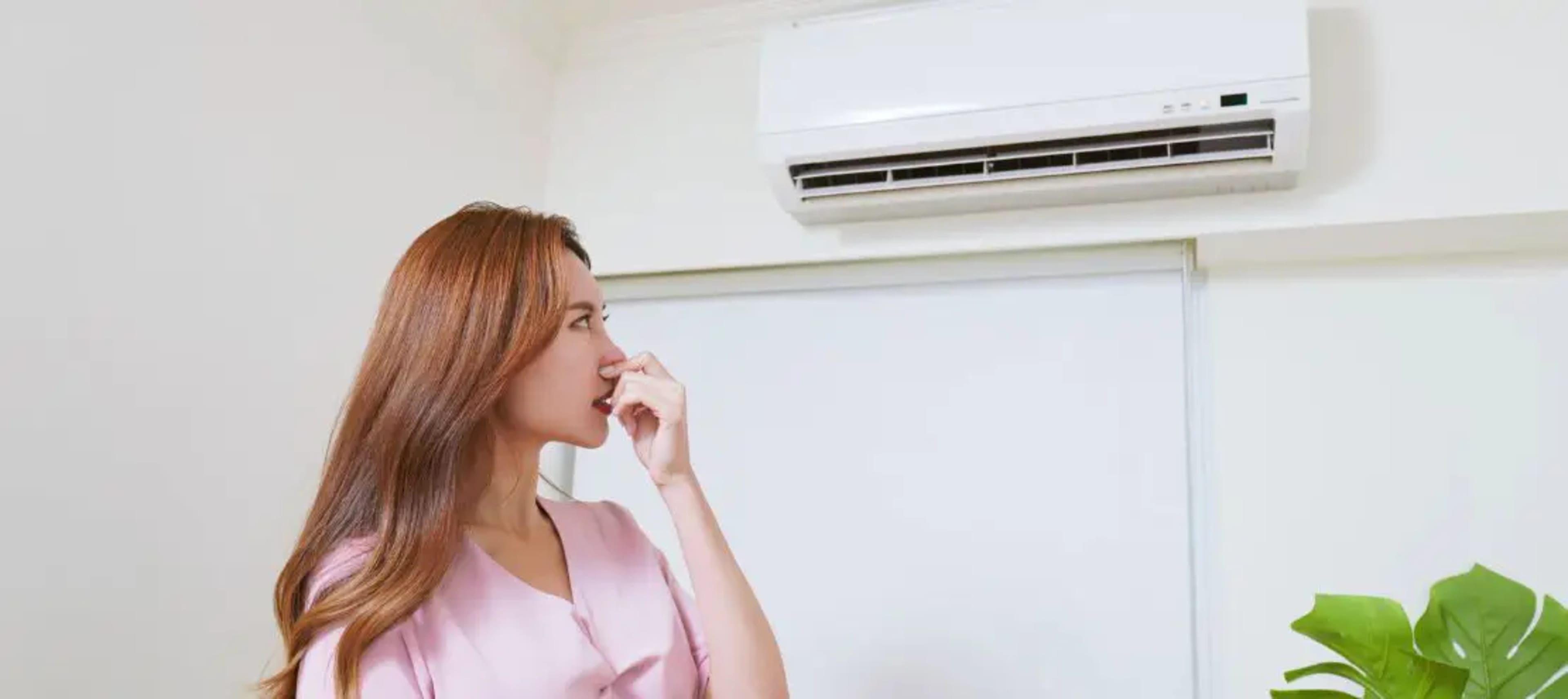
A cool room should feel fresh and comfortable—but an unpleasant smell from your air conditioner can quickly ruin the experience. This issue often appears as soon as the unit is switched on and can point to underlying problems that need prompt attention. Beyond discomfort, lingering odours may also affect indoor air quality and the health of occupants. Understanding the source of these smells is the first step toward fixing them and preventing future issues. ## Common Reasons an Air Conditioner Produces Unpleasant Odours When a foul smell spreads through the room after turning on the air conditioner, it usually indicates a problem inside the unit. These odours can come from several sources, ranging from poor maintenance to technical faults. Here are the most common smells and what they typically indicate: **Sewage-like or rotten smell** This is often caused by stagnant condensation inside the unit. When water is not properly drained through the discharge pipe, it can collect in the condensate tray and begin to smell. **Musty or dusty odour** Dirty or clogged filters are usually responsible. When filters are full of dust, the air passing through is no longer properly cleaned, leading to stale-smelling airflow. **Mouldy smell** This points to mould or fungal growth inside the air conditioner, usually due to excess moisture. The condensate tray and filters are common areas where mould develops. **Gas-like smell** A refrigerant leak may be the cause. This is a serious issue that requires immediate professional attention for safety and performance reasons. **Burning or plastic smell** This could signal an electrical fault, such as overheating wires or damaged circuits, and should never be ignored. Because some of these issues can be hazardous, contacting a qualified technician for inspection and repair is strongly recommended. ## How to Eliminate Bad Smells From an Air Conditioner Once the source of the smell is identified, the appropriate solution can be applied. While some basic cleaning can help, professional servicing remains the most reliable option. **Filter cleaning** Musty odours can often be removed by cleaning the filters. Remove them from the indoor unit, wash with water, and allow them to dry completely before reinstalling. **Condensate tray and drainage cleaning** Sewage-like smells usually require cleaning the condensate tray and unblocking the drainage pipe to ensure proper water flow. **Deep cleaning for mould removal** Eliminating mould requires thorough cleaning and sanitisation of the internal components. Mould exposure can cause respiratory irritation, nausea, headaches, and sleep disturbances, making this step especially important. **Regular maintenance** Routine servicing of both indoor and outdoor units helps prevent bacteria, fungi, and mould buildup—particularly in the condensate tray, where moisture accumulates easily. ## What Does Refrigerant Gas Smell Like? Refrigerant gases used in air conditioners are generally odourless, so a strong smell is not always present even when a leak exists. However, certain warning signs can suggest a problem, such as: - The air conditioner no longer reaching the set temperature - Ice or excessive condensation forming on outdoor unit pipes A licensed technician is needed to confirm whether there is an actual leak or simply a reduced refrigerant level due to long-term use. Only certified professionals are legally permitted to handle and recharge refrigerant gases. ## Adding a Pleasant Fragrance to Air Conditioner Air There are products available that can temporarily freshen the air produced by an air conditioner. These include: - Fragrance essences applied to filters - Sanitising sprays that clean filters while releasing a light scent While these solutions can create a pleasant environment, they should never be used to mask persistent bad odours. Covering up smells without addressing the root cause can allow serious problems to worsen over time.

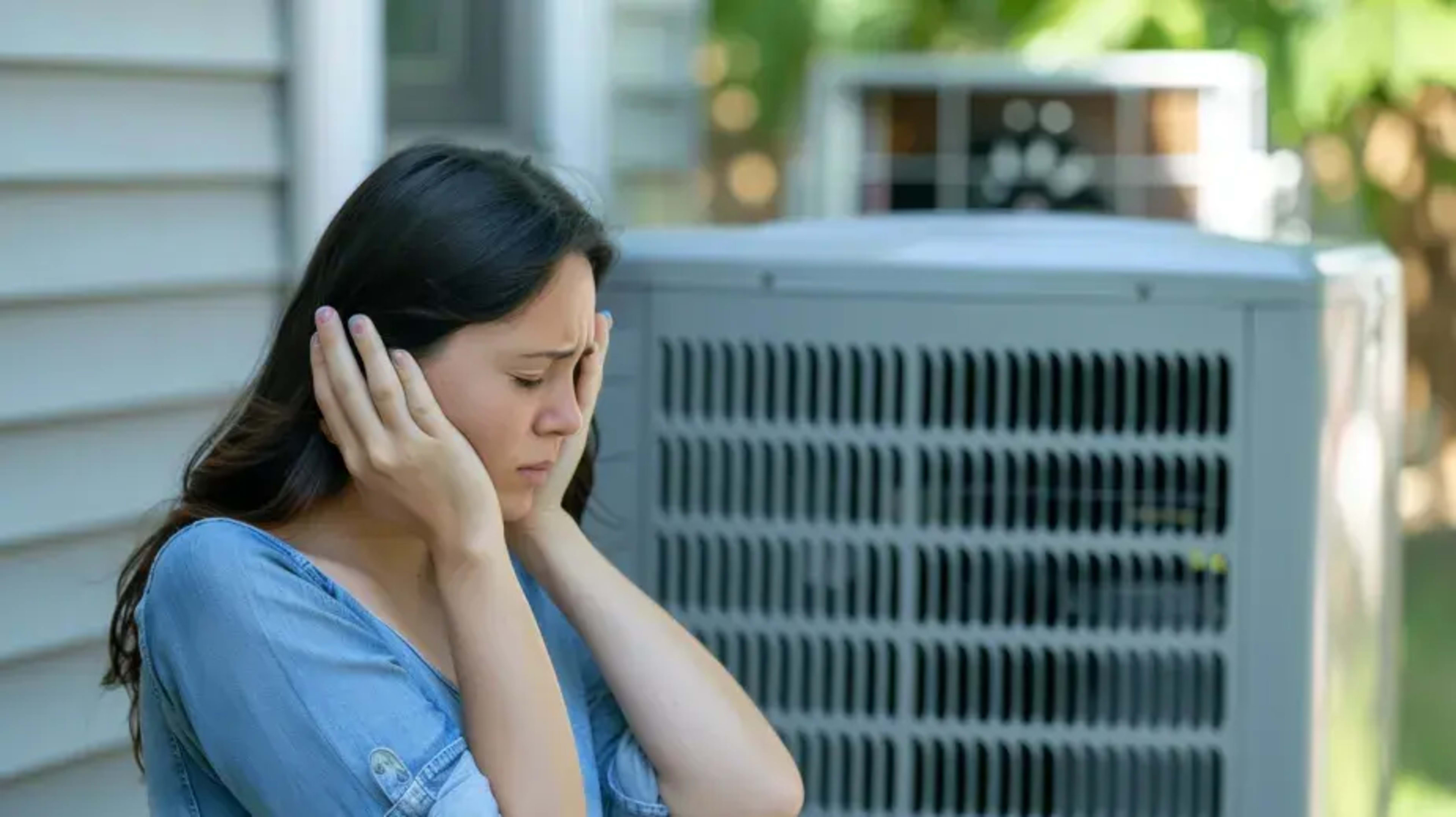
Unusual sounds usually mean something inside the system is loose, blocked, worn out, or under stress. Some noises are harmless and temporary, while others are warning signs that shouldn't be ignored—especially during hot summer months. In this guide, I'll walk you through different aircon noises and what they indicate, explain what's happening inside the unit, and share practical solutions you can try before calling a technician. If your air conditioner suddenly sounds different, this article will help you decide whether it's a quick fix or a serious issue. ## When aircon noise is normal—and when it's not Not every sound signals danger. A soft hum, a brief click when starting or stopping, or light airflow noise is usually normal. You should pay attention when: - The noise is new or getting louder - The sound repeats constantly - Cooling performance drops - Vibrations feel stronger than usual Different sounds point to different problems. Identifying the noise is always the first step. ## Rattling or banging sounds from the air conditioner A rattling or banging noise often feels alarming—and for good reason. **What's usually happening:** - Loose screws or panels shaking during operation - Fan blades coming loose or bending - Broken internal components hitting the casing - Debris like stones, leaves, or dust trapped inside If ignored, these issues can damage the compressor and stop refrigerant circulation, reducing cooling efficiency. **What you can do:** - Turn off the unit - Check and clean the air filter - Tighten visible screws or panels - Inspect the outdoor unit for debris If the sound continues, internal parts may be damaged and need professional repair. ## Screeching or squealing noises that sound sharp High-pitched sounds are never something to ignore. **Possible causes:** - Worn-out fan motor bearings causing metal-on-metal contact - A damaged or aging fan belt (common in older or ducted systems) - Excessive pressure building up in the compressor - Refrigerant leakage producing hissing or screeching sounds **What to do immediately:** - Switch off the AC - Disconnect power - Avoid opening the unit yourself Refrigerant-related sounds are dangerous and require trained technicians to inspect safely. ## Pulsating or rhythmic vibrating sounds A slow, soft pulse may be harmless. Loud or repetitive pulsation isn't. **Likely reasons:** - Loose fan blades or coils - Refrigerant lines vibrating against walls or surfaces - Plastic base amplifying compressor movement **Practical fix:** - Secure loose panels or mounts - Ensure refrigerant lines aren't touching walls - Check whether the unit is installed on a stable surface Proper mounting often eliminates this issue entirely. ## Hissing sounds coming from the AC unit Hissing noises are often associated with pressure-related problems. **Common causes:** - Refrigerant leaks from worn-out lines - Compressor valve leaks affecting gas pressure - Excessive pressure buildup in the outdoor unit If hissing gradually turns into a shrill sound, the compressor may be under severe stress. **Best response:** Turn the unit off and arrange a professional inspection as soon as possible. ## Loud humming noises that won't stop A gentle hum is normal. A loud or constant hum is not. **What could be wrong:** - Motor components needing lubrication - Bent fin coils vibrating - Dirt-covered evaporator coils - Electrical issues like contactor or capacitor failure If left unresolved, humming often escalates into grinding or buzzing noises. ## Whirring sounds during operation Whirring usually points to airflow-related problems. **Possible reasons:** - Light debris like paper or plastic stuck in the indoor unit - Damaged fan blades - Failing fan motor producing helicopter-like sounds **Immediate action:** If the sound is loud or aggressive, turn off the AC immediately to prevent further damage. ## Repeated clicking sounds that won't stop Clicks during startup or shutdown are normal. Continuous clicking is not. **Common causes:** - Obstructions in the outdoor fan - Loose casing around the fan - Faulty capacitor failing to power the compressor - Broken thermostat relay or wiring issues Electrical-related clicking should always be handled by professionals. ## Bubbling or gurgling noises inside the AC These sounds usually involve liquid or airflow issues. **Likely explanations:** - Air trapped inside refrigerant lines - Refrigerant leaks causing bubbling - Blocked condensate drain line trapping water - Damaged condensate pump struggling to move moisture Moisture buildup not only causes noise but can also lead to water leaks and mold. ## Cracking sounds during or after operation Cracking often surprises homeowners, especially at night. **What causes it:** - Frozen evaporator coils releasing ice as it melts - Extremely low temperature settings - Dirty fins or poor drainage This sound usually accompanies airflow or freezing issues. ## Dripping noises coming from the unit Dripping sounds should always be checked. **What it indicates:** - Excessive condensation - Overflowing drain pan - Melting ice from frozen coils Common triggers include dirty filters, thermostat issues, and blocked drain lines. ## Grinding noises from indoor or outdoor units Grinding is one of the most serious warning signs. **What it points to:** - Compressor piston failure (outdoor unit) - Motor failure in the indoor unit These issues can permanently damage the system if ignored. ## Buzzing sounds that feel electrical Buzzing noises often involve electrical components. **Possible reasons:** - Failed compressor still receiving power - Loose internal parts vibrating - Faulty capacitor or motor - Damaged contactor preventing startup - Exposed or loose wiring Constant buzzing should be treated as urgent. ## Simple ways to reduce aircon noise **Regular maintenance:** - General servicing every 6 months - Annual chemical wash **Clean air filters:** - Wash with soap and water - Dry completely before reinstalling **Other steps:** - Tighten loose components (screws, brackets, panels) - Clean the outdoor unit (remove dust and debris using water spray) - Lubricate moving parts (motors and belts benefit from periodic lubrication) - Straighten coil fins (bent fins restrict airflow and increase noise) If noise persists after these steps, professional repair is the safest option. ## Final thoughts Air conditioners are designed to run quietly. Any unusual noise—before, during, or after cooling—is a signal that something isn't working as it should. Identifying the sound early can prevent breakdowns, reduce electricity bills, and extend the life of your unit. Simple maintenance often solves minor issues, but mechanical or electrical noises should never be ignored.

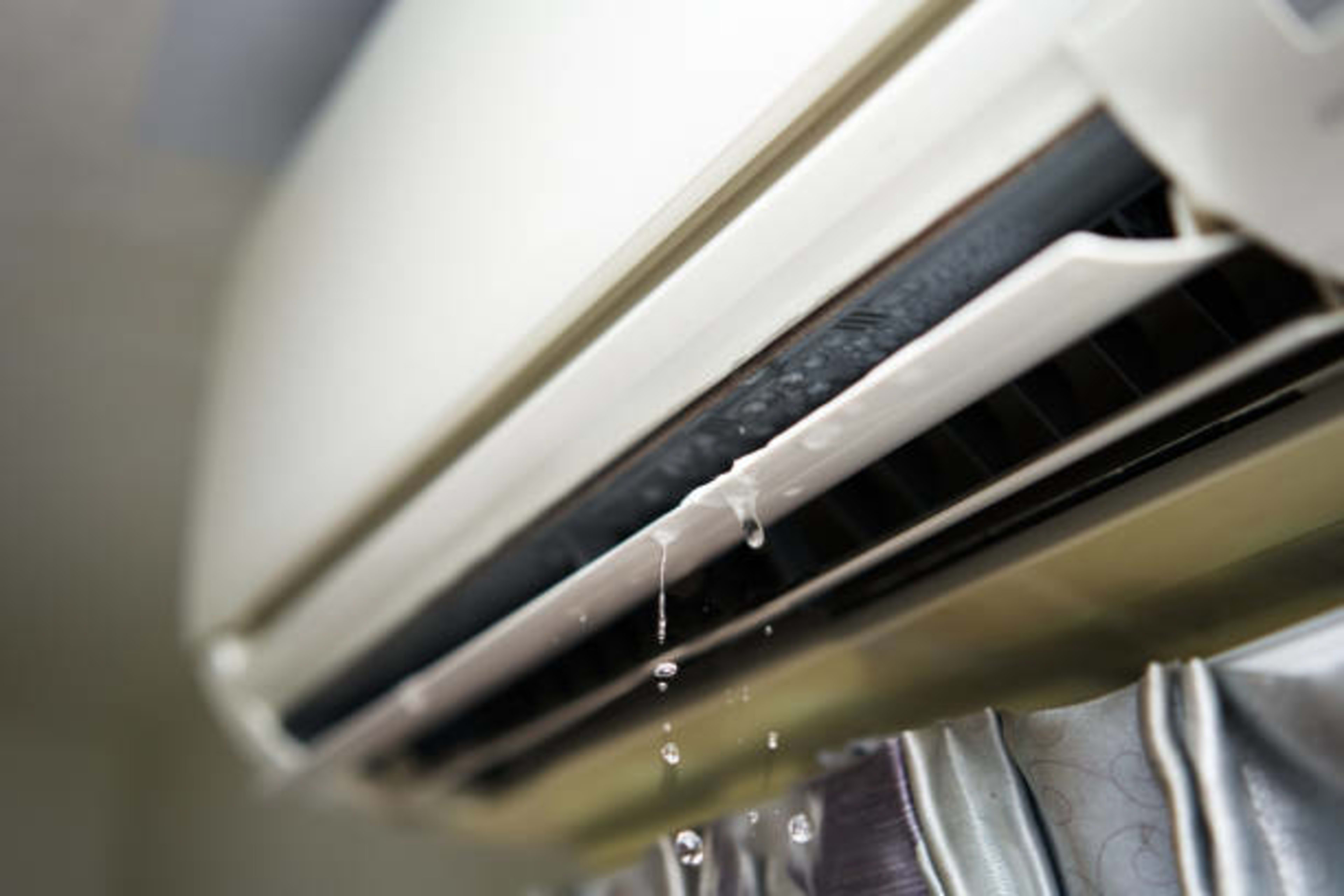
In most cases, water leakage happens when moisture can't drain properly or when internal components freeze, clog, or overflow. While air conditioners naturally remove humidity from the air, that water should always flow safely outside—not onto your floor. In this article, I'll break down the real reasons aircon water leaks occur, explain what's happening inside your unit, and walk you through practical solutions—from quick checks you can do yourself to situations that need professional help. If you've noticed dripping, pooling, or stains near your AC, this guide will help you understand exactly what's going on. ## Water leaking from an aircon: what's normal and what's not? A small amount of water draining outside your home is normal. That's simply condensation being removed from the air. **What's not normal:** - Water dripping indoors - Puddles forming under the unit - Leaks when the AC is switched off These signs usually point to a blockage, damage, or installation issue—and ignoring them can lead to mold, electrical damage, and costly repairs. ## Overflowing or damaged drain pan causing water leaks The drain pan sits beneath the evaporator coil and collects condensation before directing it into the drain line. When this pan fails, leaks are almost guaranteed. **How this problem develops:** - High humidity causes excess moisture - The drain pan fills faster than it empties - Water spills over the edges and leaks indoors Older systems are especially prone to this. After 15–20 years, drain pans may rust, crack, or corrode, allowing water to escape before reaching the drain line. **What usually solves it:** - Minor cracks can sometimes be sealed with waterproof sealant - Rusted or badly damaged pans should be replaced - The replacement pan must be the correct size for your AC model Temporary fixes don't last long—proper replacement is the safer option. ## Low refrigerant levels leading to indoor leaks Refrigerant plays a major role in cooling. When levels drop, pressure inside the system decreases, and the evaporator coil can become excessively cold. **What happens next:** - Moisture on the coil freezes into ice - The system continues running - Ice eventually melts when the unit cycles off - Melted water overflows and leaks inside This issue often starts quietly, with cooling slowly becoming weaker before leaks appear. **Key signs to watch for:** - Air feels less cool than before - Ice visible on pipes or coils - Hissing or bubbling noises Low refrigerant always indicates a leak. Refilling gas without fixing the source only delays the problem. ## Blocked condensate drain line causing water backup This is one of the most common reasons air conditioners leak water indoors. As your AC removes humidity, moisture mixes with dust and debris. Over time, this sludge builds up inside the drain line and restricts water flow. **What happens when the drain line clogs:** - Water can't exit the system - The drain pan fills up - Overflow occurs inside the unit Some modern air conditioners shut down automatically when this happens. Older systems don't—and that's when leaks appear. **Practical maintenance solution:** - Turn off the unit - Empty standing water from the drain pan - Clear the drain line using a brush or pump - Flush with water to confirm smooth flow Running a mild bleach solution through the drain line every six months helps prevent mold and bacteria buildup—but overdoing it may cause corrosion. ## Faulty condensate pump or float switch issues When AC units are installed in basements or attics, gravity alone isn't enough to move water outside. That's where the condensate pump comes in. **How failure occurs:** - Water collects in the pump reservoir - A float switch triggers the pump - Pump pushes water out of the house If the pump or float switch fails, water has nowhere to go. It backs up and leaks from the unit. **Common warning signs:** - AC shuts off unexpectedly - Water pooling near indoor unit - Pump making noise but not draining In most cases, pump repair or replacement solves the issue quickly. ## Excessive condensation inside ducts and vents Condensation is normal—but too much of it becomes a problem. When warm air meets cold duct surfaces, moisture forms. If insulation is poor or damaged, this condensation can drip from vents or ducts. **Factors that increase condensation:** - Poor or missing duct insulation - High indoor humidity - Clogged air filters - Restricted airflow - Ductwork running through hot, uninsulated attics Over time, this moisture can damage insulation, stain ceilings, and promote mold growth. **How to reduce condensation problems:** - Insulate ductwork properly - Seal any gaps or leaks in insulation - Improve ventilation - Address roof leaks promptly - Maintain clean filters and coils High humidity during summer months makes this issue more noticeable. ## Frozen evaporator coils and water leakage A frozen evaporator coil is often linked to airflow problems. When air can't move freely across the coil, temperatures drop too low and ice forms. Once the system shuts off, the ice melts—and excess water escapes. **Common causes of freezing:** - Dirty coils - Clogged air filters - Low refrigerant - Blocked vents **Immediate action to take:** - Turn off the AC - Allow ice to melt completely - Clean the coil and filters - Restore airflow before restarting Repeated freezing usually means a deeper issue that needs professional inspection. ## Dirty air filters triggering internal leaks Air filters don't just affect air quality—they directly impact moisture control. When filters clog: - Airflow reduces - Evaporator coil temperature drops - Ice forms - Melted ice leads to leaks This is one of the easiest problems to prevent. **Best practice:** - Inspect filters monthly - Clean or replace every 2–3 months - Increase frequency in dusty environments Clean airflow keeps temperatures balanced and prevents freezing. ## Improper AC installation causing water leakage Even a brand-new air conditioner can leak if it's installed incorrectly. **Installation-related problems include:** - Uneven unit positioning - Incorrect drain pipe slope - Poorly sized drain connections - Window units installed flat instead of angled Water must always flow away from the unit. If gravity can't do its job, leaks are inevitable. **What fixes it:** - Leveling the unit correctly - Installing an AC pad for outdoor units - Ensuring window units tilt outward - Hiring qualified professionals for installation Correct installation prevents years of future issues. ## Simple fixes you can start with today If you notice water leaking, here's a quick action plan: - Switch off the AC immediately - Check air filters and clean if needed - Inspect visible drain lines for blockages - Look for ice buildup on coils or pipes - Call a technician if leaks continue Delaying action often turns minor issues into expensive repairs. ## Final thoughts and prevention tips Water leakage from an air conditioner is never random. It's always a signal that something inside the system needs attention—whether it's drainage, airflow, insulation, or installation. Regular servicing, clean filters, proper insulation, and correct installation go a long way in preventing leaks. Most problems are manageable when addressed early.
In most cases, it happens because airflow is restricted, cooling gas isn't circulating properly, or a key component isn't doing its job. Sometimes it's a small maintenance issue. Other times, it's a sign that a part needs professional attention. In this guide, I'll walk you through the most common causes of weak cooling, explain what's really happening inside your aircon, and share clear, practical steps you can take. I'll keep things simple, honest, and useful—no technical overload, just real explanations that make sense. If your aircon is running but your room still feels warm, this article will help you pinpoint the problem fast. ## Common reasons your aircon runs but doesn't cool properly When an aircon is switched on, many people assume cold air should come out immediately. In reality, cooling depends on several components working together. If even one part underperforms, the entire system feels ineffective. ## Cooling problems caused by dirty air filters This is hands down the most frequent issue—and also the most ignored. Air filters trap dust, pollen, and airborne particles. Over time, they get clogged. When that happens, airflow becomes restricted, and cool air struggles to circulate throughout the room. **What happens inside the unit:** - Dust blocks the filter - Airflow slows down - The evaporator coil gets too cold and may freeze - Cold air can't pass through efficiently **What I'd do immediately:** Clean the air filters every 2–3 months. If the unit runs daily or your environment is dusty, do it more often. Basic cleaning steps: - Turn off the power - Open the front panel - Remove filters carefully - Brush off dry dust - Rinse with water - Let them dry completely before reinstalling This single step alone solves a large percentage of cooling complaints. ## Weak cooling due to low or leaking refrigerant Refrigerant is the cooling fluid that absorbs heat and releases cold air. If the level is low—or there's a leak—the system simply can't cool effectively. This issue usually develops slowly, which is why many people don't notice it right away. **Signs refrigerant may be the issue:** - Air feels less cold than before - Cooling takes much longer - Bubbling or hissing sounds - Ice forming on pipes or the outdoor unit **Important point:** Refrigerant does not run out on its own. If levels drop, there's almost always a leak. **The right solution:** This is not a DIY situation. A trained technician should: - Locate and repair the leak - Refill refrigerant accurately - Test pressure and system performance Simply topping up gas without fixing the leak leads to repeat problems. ## Poor performance linked to a faulty compressor The compressor is the heart of the air conditioning system. It pressurizes the refrigerant and keeps the cooling cycle moving. When it fails or weakens, cooling performance drops dramatically—or stops completely. **Warning signs to watch for:** - Warm air blowing from the unit - Loud or unusual noises from the outdoor unit - Strong vibration when starting - System failing to turn on When the compressor struggles, the aircon may still run—but cooling becomes ineffective. **What usually needs to be done:** - Immediate professional inspection - Repair if damage is minor - Replacement if failure is severe Ignoring compressor issues often leads to higher repair costs later. ## Incorrect thermostat settings affecting cooling Sometimes, nothing is broken at all. Improper thermostat settings can make it seem like the aircon isn't cooling, even when the system is functioning normally. For example, setting the fan to "ON" instead of "AUTO" keeps air circulating continuously—even when cooling isn't active. This can push warm air around the room and reduce comfort. **Quick setting check:** - Switch fan mode to AUTO - Lower the temperature slightly - Confirm the unit is in cooling mode, not fan-only This small adjustment often restores proper cooling instantly. ## Reduced cooling during extremely hot weather On very hot days, air conditioners work harder than usual. Heat exchange becomes less efficient, especially if the system is already under strain. This doesn't mean the unit is faulty—but it does expose existing weaknesses like: - Dirty coils - Low refrigerant - Poor insulation - Aging components An aircon should still cool the room eventually. If it doesn't, there's likely an underlying issue that needs attention. ## Lack of maintenance leading to gradual cooling loss Many cooling issues develop quietly over time. Skipped servicing allows dirt, moisture, and wear to build up inside the system. Common results of poor maintenance include: - Dirty coils - Blocked drainage - Weak airflow - Higher power bills - Shortened lifespan **My maintenance rule:** - Residential units: service every 3–6 months - Heavy usage or commercial units: more frequently - Chemical wash: only when cooling performance drops significantly Preventive servicing always costs less than emergency repairs. ## Quick checklist to identify the real problem If I had to narrow things down quickly, I'd check in this order: 1. Thermostat settings 2. Air filter cleanliness 3. Strength of airflow 4. Signs of ice, leaks, or unusual noise 5. Changes in cooling performance over time Most issues reveal themselves within these five steps. ## Final thoughts and next steps Air conditioning problems rarely appear overnight. They build slowly—through dust, wear, leaks, or incorrect settings. The key is catching them early.

As temperatures rise, air conditioners become essential for comfort—but many homeowners are shocked when their electricity bills suddenly spike. If you've been asking, "Why is my aircon electricity consumption so high?", you're not alone. High power usage usually means your aircon system is working harder than it should. Understanding the causes behind increased energy consumption can help you fix problems early, reduce costs, and improve efficiency. ## How Much Electricity Does an Aircon Use? Air conditioners cool indoor spaces by removing heat from inside and releasing it outside using refrigerant, coils, and fans. This process requires electricity—especially during hot weather when the system must run longer to maintain the desired temperature. When outside heat constantly enters your space due to poor insulation, air leaks, or inefficient operation, your aircon has to run almost non-stop. This extended runtime is one of the main reasons electricity consumption increases. ## Why Is My Aircon Suddenly Using More Electricity? If your power bill has jumped unexpectedly, the issue may not be the weather alone. Common system-related causes include: - Poor airflow - Dirty or clogged components - Mechanical wear and tear - Inefficient temperature settings - Aging or improperly installed units Let's break down the most common reasons. ## Common Reasons for High Aircon Electricity Consumption ## 1. Dirty or Clogged Air Filters **Why it increases power usage:** Air filters trap dust and particles, but when they become clogged, airflow is restricted. This forces the aircon to run longer to cool the same space, increasing energy consumption. **What to do:** - Clean or replace air filters every 1–3 months - Ensure return vents are not blocked This is one of the easiest and most effective ways to lower electricity usage. ## 2. Air Leaks and Poor Insulation **Why it increases power usage:** Gaps around windows, doors, or poorly sealed walls allow cool air to escape and hot air to enter. Your aircon keeps running to compensate for this heat gain. **What to do:** - Seal gaps with weather stripping or caulking - Improve insulation where possible - Close doors and windows while the aircon is running ## 3. Blocked Vents or Registers **Why it increases power usage:** Blocked vents prevent proper air distribution, causing uneven cooling. The thermostat senses that the room isn't cool enough and keeps the system running longer. **What to do:** - Ensure all vents are fully open - Remove furniture or objects blocking airflow ## 4. Low Refrigerant Levels **Why it increases power usage:** Refrigerant is essential for heat transfer. When levels are low—usually due to leaks—the system struggles to cool efficiently, leading to longer runtimes and higher electricity bills. **What to do:** - Have a professional inspect for leaks - Recharge refrigerant safely Never attempt to handle refrigerant yourself. ## 5. Lack of Regular Maintenance **Why it increases power usage:** Without routine servicing, dust builds up on coils, motors wear down, and components lose efficiency. The aircon must work harder to deliver the same cooling performance. **What to do:** - Schedule regular aircon servicing - Clean coils and check electrical components - Replace worn parts early Routine maintenance helps keep energy usage under control. ## 6. Old or Inefficient Aircon Unit **Why it increases power usage:** Older aircon systems are significantly less energy-efficient compared to modern units. Years of wear combined with outdated technology can cause excessive electricity consumption. **What to do:** - Consider upgrading to a newer, energy-efficient model - Compare long-term energy savings vs. repair costs ## 7. Improper Installation or Wrong Unit Size **Why it increases power usage:** An oversized aircon cools too quickly and switches on and off frequently, consuming more power during startup. An undersized unit runs continuously, struggling to cool the space. **What to do:** - Ensure the unit size matches the room - Have installation checked by professionals Proper installation is critical for energy efficiency. ## Simple Ways to Reduce Aircon Electricity Consumption You can lower your energy bills by following these practical steps: - Replace air filters regularly - Use programmable or smart thermostats - Set reasonable temperature levels - Use curtains or blinds to block direct sunlight - Use fans to support air circulation - Schedule professional maintenance annually Small adjustments can lead to significant savings over time. ## Should You Upgrade Your Aircon? If your electricity bills remain high despite maintenance and good usage habits, upgrading to a modern, energy-efficient aircon may be the best solution. Newer systems are designed to deliver better cooling while consuming less power, saving money in the long run. ## Final Thoughts High aircon electricity consumption is often a sign of restricted airflow, poor insulation, low refrigerant, lack of maintenance, or aging equipment. Identifying the cause early helps you avoid unnecessary expenses and keeps your cooling system running efficiently. With proper care, smart usage habits, and timely servicing, you can stay cool without the shock of rising electricity bills.