How to Choose the Right Aircon Capacity for Your Room in Singapore
Choosing the right aircon capacity isn't just about buying a unit that "looks powerful." In Singapore's hot and humid climate, air conditioning is practically essential. The wrong size can mean higher electricity bills, weak cooling, or a system that wears out too fast.
So how do you choose the right aircon capacity for your room in Singapore?
It comes down to three main things: room size, room conditions, and the right type of system. Let's break it down in a practical way.
Step 1: Understand Why Aircon Capacity Matters
Aircon capacity is measured in BTU (British Thermal Units). This tells you how much heat the unit can remove per hour.
Here's the key:
- Too small → struggles to cool, runs non-stop
- Too big → cools too fast, wastes energy, poor humidity control
In Singapore, humidity control is just as important as temperature. An oversized unit may make the room cold but still feel damp.
That's uncomfortable.
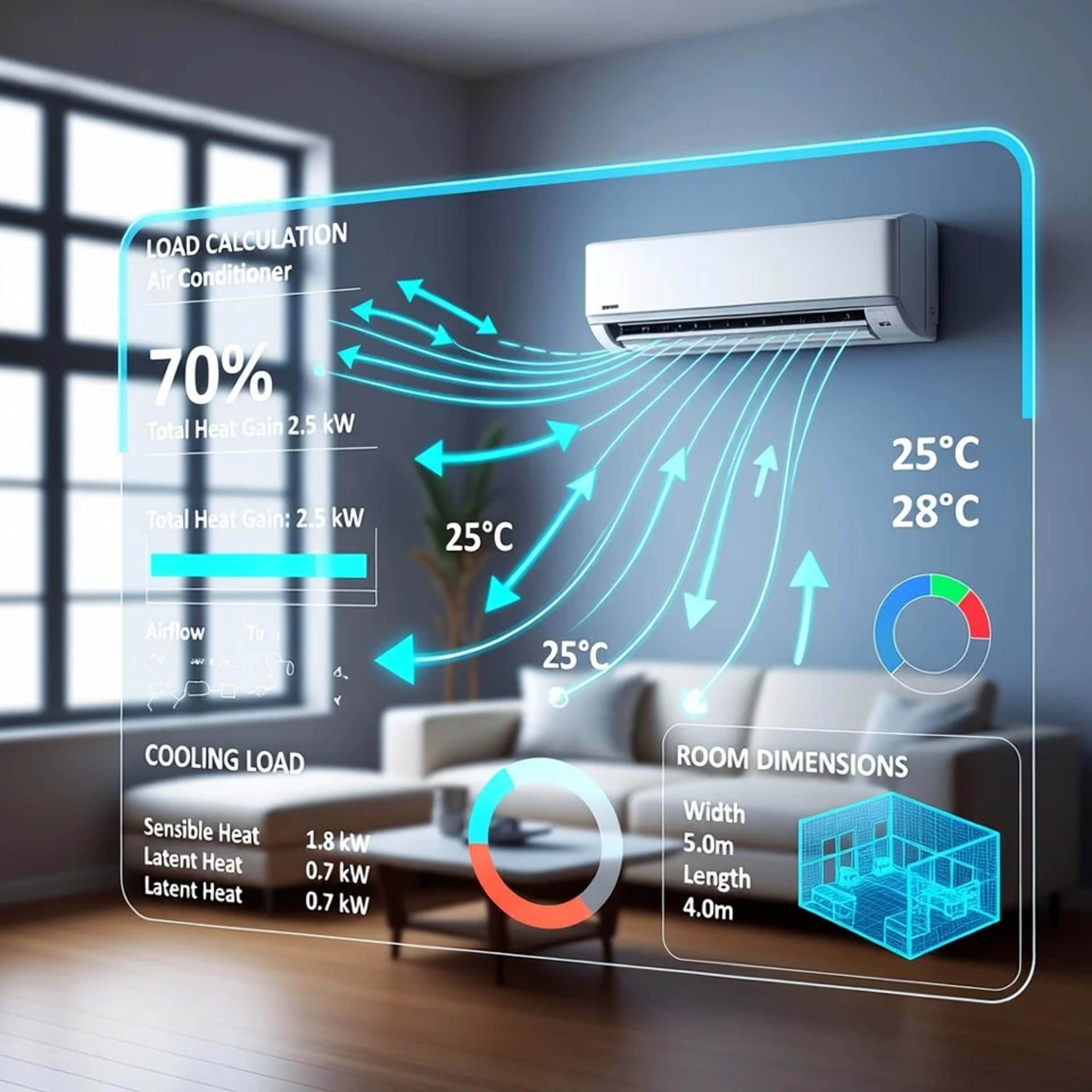
Step 2: Calculate the Right Size for Your Room
Start with your room size.
Measure:
- Length (metres)
- Width (metres)
Multiply them to get square metres (m²).
General BTU Guide for Singapore Homes
| Room Size | Recommended Capacity |
|---|---|
| 8–12 m² | 9,000 BTU |
| 12–18 m² | 12,000 BTU |
| 18–25 m² | 18,000 BTU |
| 25–35 m² | 24,000 BTU |
This works for most HDB flats and condos.
Step 3: Adjust for Singapore's Climate Conditions
Singapore isn't mild weather. It's intense heat, strong sun, and high humidity.
You may need slightly more capacity if:
☀ West-Facing Rooms — Afternoon sun heats up walls and windows. Consider upgrading one BTU level.
🏢 Top-Floor Units — Heat rises. Upper floors are naturally warmer.
👨👩👧👦 More People in the Room — Each person adds body heat.
💻 Many Electronics — Computers, TVs, gaming setups increase room temperature.
A small home office might need more cooling than a bedroom of the same size.
Choosing the Right Type of Aircon System
Capacity is important. But so is choosing the correct type of unit.
Let's explore the common options in Singapore.
1. Split Aircon (Most Popular Choice)
Split systems are the most common in Singapore homes.
They include:
- Indoor unit (mounted on wall or ceiling)
- Outdoor compressor
Why People Like It:
- Energy efficient (especially inverter models)
- Zoned cooling (control different rooms separately)
- Quiet operation
- Space-saving design
Best For: HDB flats, condos, landed homes. For most households, split units are the smartest long-term choice.
2. Central Aircon
Designed for larger homes or commercial spaces. Uses ductwork to cool multiple rooms from one system.
Pros:
- Uniform cooling throughout the house
- Clean look (no visible wall units)
- Advanced filtration possible
Considerations:
- Higher installation cost
- More complex setup
- Requires space for ducts
Best suited for: Landed properties or larger apartments.
3. Window Aircon
Installed directly into a window opening.
Pros:
- Affordable
- Easy installation
- Suitable for single rooms
Limitations:
- Only cools one space
- Slightly noisier
- Affects exterior appearance
Good for: Rental units or budget setups.
4. Portable Aircon
Mobile unit with an exhaust hose.
Pros:
- Easy to move
- No permanent installation
- Budget-friendly
Cons:
- Limited cooling capacity
- Can be noisy
- Less efficient in Singapore heat
Best for: Temporary cooling needs.
Why Energy Efficiency Matters in Singapore
Aircon runs almost daily here. That means electricity costs add up fast. Choosing an energy-efficient system isn't optional — it's smart.
Look for Inverter Technology
Inverter systems:
- Adjust power based on room temperature
- Avoid constant on-off cycling
- Reduce electricity usage
- Provide stable cooling
They cost more upfront but save more long term.
Check the Energy Rating
In Singapore, aircon units come with energy labels. Higher rating = lower electricity consumption. Over 5–10 years, this makes a huge financial difference.
Proper Sizing = Longer Lifespan
Here's something many homeowners overlook. Correct capacity doesn't just affect comfort. It affects durability.
An undersized unit:
- Runs continuously
- Overheats compressor
- Shortens lifespan
An oversized unit:
- Cycles on and off too often
- Wears out components
- Reduces humidity control
Right size = balanced operation = fewer breakdowns.
Real Example: Typical Singapore Setup
Standard HDB Bedroom (10–12m²)
Usually 9,000 BTU works well. If west-facing or top floor? Consider 12,000 BTU.
Living Room (20–25m²)
Typically 18,000–24,000 BTU. Open-concept layout with kitchen? Lean toward 24,000 BTU.
Don't Forget Placement and Layout
Even with correct capacity, poor placement reduces efficiency.
Make sure:
- Indoor unit isn't blocked by furniture
- Outdoor compressor has proper ventilation
- Airflow isn't directed straight at curtains or walls
Installation quality matters just as much as sizing.
Warranty and After-Sales Support
When investing in a new system, also consider:
- Warranty period
- Compressor warranty
- Servicing support
- Availability of spare parts
An aircon system is a long-term investment in Singapore. Choosing reliable support saves stress later.
Final Thoughts
To choose the right aircon capacity for your room in Singapore:
✔ Measure your room size accurately
✔ Match it with the correct BTU range
✔ Adjust for sunlight, floor level, and usage
✔ Select the right type of system
✔ Choose energy-efficient inverter models
✔ Ensure professional installation
In Singapore's climate, the right aircon capacity means:
✔ Better comfort
✔ Lower electricity bills
✔ Longer system lifespan
✔ Consistent cooling
✔ Peace of mind